Car Key Replacement by Vehicle Brand: What Actually Changes
Not all replacement keys are created equal, and the brand of your vehicle is one of the biggest factors that shapes what the job involves. Ford and GM vehicles manufactured before the mid-2000s often use basic transponder chips that can be cloned or programmed with widely available tools, while newer models — including Ford's push-button Mustangs and GM's trucks with PassLock III — require VIN-verified programming sequences that write directly to the vehicle's ECU. Toyota and Lexus proximity keys use a rolling-encryption handshake that must be initialized with a working key present or, when all keys are lost, through an on-board diagnostics bypass specific to that generation. Honda and Acura have shifted heavily toward smart entry systems that store key data in a dedicated immobilizer module — lose the last registered key and the module itself may need to be relearned. Our technicians stay current with these platform-specific requirements so there are no surprises on-site.
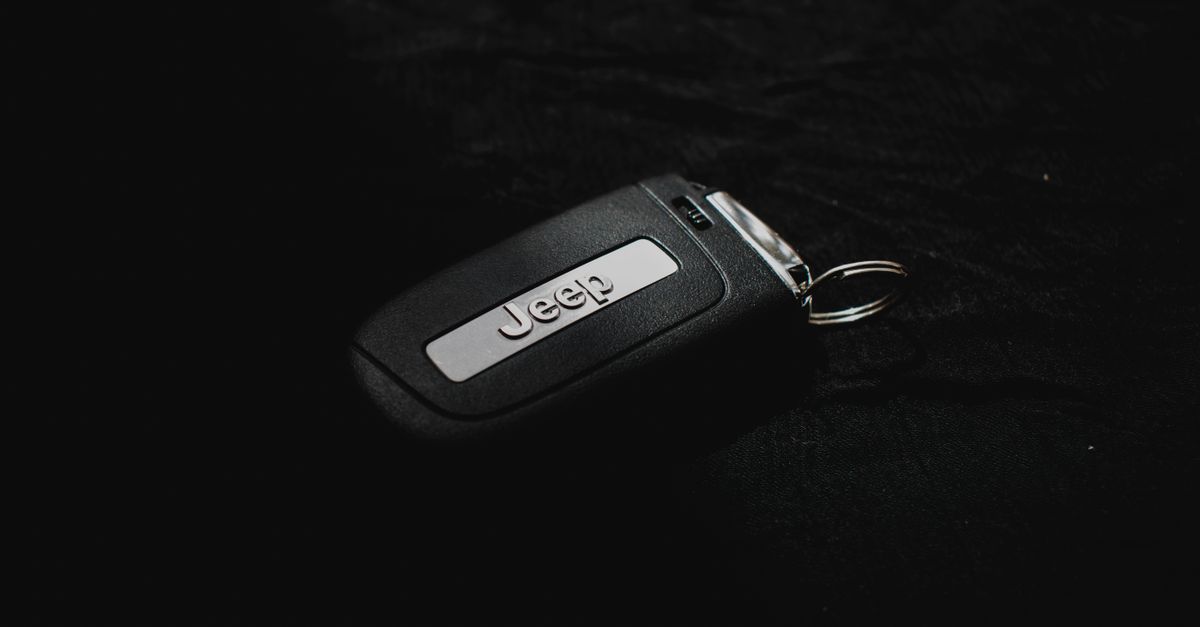
German brands — BMW, Mercedes-Benz, Volkswagen, and Audi — are routinely the most involved replacement jobs. BMW's EWS and CAS immobilizer systems and Mercedes-Benz's ESL (Electronic Steering Lock) on certain models mean that programming isn't just key-to-car communication; it can involve multiple modules that must be synchronized. Volkswagen and Audi use MQB-platform rolling codes and, on newer models, NFC-based keys that require dealer-level access credentials to register. We work through verified channels to perform these registrations legitimately, confirming ownership before any work begins. Chrysler, Dodge, Jeep, and Ram vehicles present their own complexity through Sentry Key Immobilizer (SKIM) programming, which is sensitive to battery voltage during the write cycle — something a mobile technician accounts for in the field in a way a hardware-store kiosk simply cannot.